Teen years are the prime window for building strong bones for life
Most of your lifetime bone mass is built before your mid-20s. That means adolescence is not just “growing years” — it’s your one major opportunity to build a stronger skeletal foundation that protects you decades later.
Organizations focused on bone health consistently emphasize that childhood and adolescence are the critical years for peak bone mass development.
Bones are living tissue. They respond to load, nutrition, hormones, and activity patterns. When teens move well and load their bodies regularly, bones adapt. When they don’t, the window narrows.
Bones get stronger when they handle impact and resistance regularly
If you want stronger bones, you need mechanical stress. That means weight-bearing activity, impact, and resistance training. Bones adapt to force. They don’t adapt to inactivity.
Research in youth populations shows that weight-bearing and impact-based activity improves bone mineral accrual.
More recent research suggests that high-impact jumping interventions can significantly improve bone mineral content at important skeletal sites in children and adolescents.
Two important realities:
- Teens don’t need maximal lifts or extreme loading to benefit.
- Consistency matters more than intensity spikes.
When supervised and age-appropriate, resistance training is considered safe and beneficial. Guidance from pediatric and strength organizations supports structured youth strength programs.
In Belgium, many adolescents fall short on movement and key bone nutrients
From a Brussels perspective, this topic is practical. Data show that many Belgian adolescents do not meet recommended activity levels.
National health reporting indicates that fewer than 20% of Belgian adolescents meet the 60-minute daily moderate-to-vigorous activity recommendation.
Nutrition patterns also show gaps. Calcium intake among Belgian adolescents is frequently inadequate according to the latest national food consumption survey.
Vitamin D intake patterns and supplementation guidance are also discussed at the national level.
So the problem is rarely mysterious. It’s usually:
- Insufficient daily movement
- Insufficient impact exposure
- Inadequate calcium and vitamin D intake
Pilates supports teen bone health by improving posture, control, and movement quality
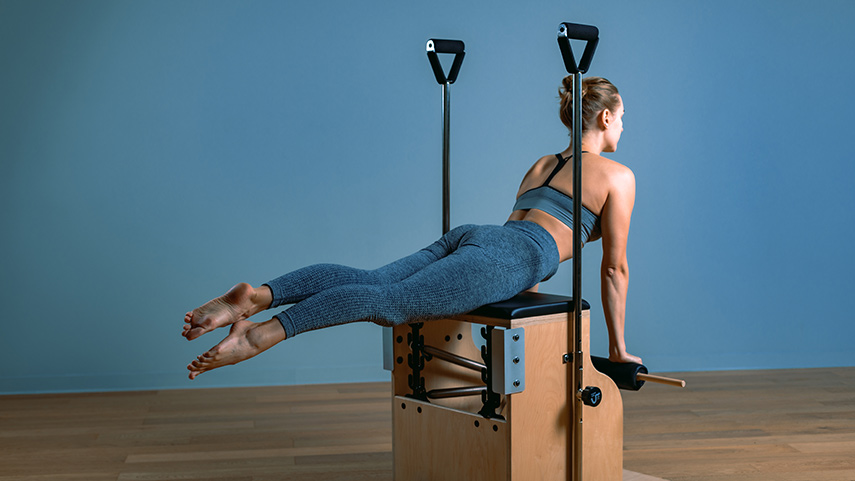
Pilates is not primarily a high-impact bone-loading method — and that’s okay. Its value lies in improving posture, core control, balance, alignment, and movement coordination.
Why this matters for bone health:
- Better trunk control improves landing mechanics.
- Improved alignment reduces joint overload.
- Stronger stabilizers allow teens to tolerate impact safely.
Pilates builds the movement foundation that makes functional training safer and more effective.
Functional training provides the direct stimulus that strengthens bones
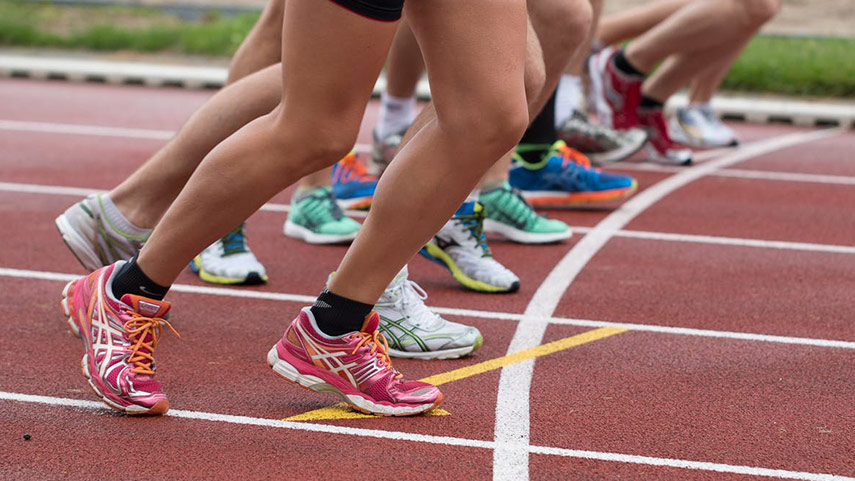
For bone adaptation, functional training delivers the primary signal. That includes jumping, sprinting, landing drills, direction changes, and progressive resistance exercises.
Major public health guidelines recommend:
- At least 60 minutes of moderate-to-vigorous activity daily
- Bone-strengthening activities at least 3 days per week
Youth resistance training, when properly supervised and technique-focused, is broadly considered safe and beneficial.
In practice, this means:
- Short, repeated exposures to impact
- Progressive resistance with technical supervision
- Controlled landing and deceleration mechanics
Pilates integrates well here. It supports the neuromuscular quality that makes impact and resistance training effective rather than chaotic.
Calcium and vitamin D are essential if teens want strong bones
Training alone is not enough. Bones respond to load, but they also need raw materials. If a teenager is active but under-fueled or low in calcium or vitamin D, the body simply cannot build optimally.
Adolescence is a high-demand growth period. Calcium supports bone mineralization, while vitamin D helps the body absorb and use that calcium effectively. When intake is consistently low, bone development can lag behind what training alone might otherwise stimulate.
In practical terms, that means:
- Regular calcium-rich foods matter.
- Vitamin D status matters, especially in Northern Europe where sun exposure is limited for much of the year.
- Skipping meals or consistently under-eating during growth is not neutral — it has consequences.
This is not about perfection. It’s about not undermining the process.
Energy intake and hormonal health directly affect bone development
Bones do not grow in isolation. They are influenced by hormones, recovery, sleep, and overall energy availability. If a teenager trains hard but eats too little, the body shifts into conservation mode. Bone building slows.
In adolescent girls especially, irregular or missed periods can signal insufficient energy availability. In both boys and girls, chronic under-fueling combined with training increases the risk of stress injuries and reduced bone mineral accrual.
Parents and coaches often focus on performance metrics. But growth stage, recovery, and overall health are equally important.
If a teen:
- Is constantly fatigued
- Has repeated stress-related injuries
- Is restricting food
- Or shows disrupted hormonal patterns
that is not a motivation issue. It is a biological signal.
Strong bones require enough energy to grow.
A simple weekly structure combining Pilates and functional training supports bone health
Teens do not need complex programming. They need repetition and consistency.
A balanced weekly structure might include:
- One or two Pilates sessions to build trunk strength, alignment, and movement control
- Two to three functional training sessions with supervised resistance work
- Short exposures to impact drills like jumping, landing, or sprint mechanics
- Daily general movement through sport or activity
Pilates improves how the body moves. Functional training provides the load that stimulates bone adaptation. Together, they create a system that supports growth rather than overload.
The goal is not intensity. The goal is regular exposure to healthy stress.
Growth spurts increase vulnerability and require smart adjustments
During adolescence, bones lengthen quickly. Muscles and tendons often lag slightly behind. Coordination may temporarily decrease. This is normal — but it increases the likelihood of overuse issues if training volume climbs too fast.
This is why sudden spikes in training intensity during growth spurts often correlate with knee pain, shin pain, or other stress-related complaints.
In these phases:
- Volume should increase gradually
- Technique becomes even more important
- Recovery must be prioritized
Pilates is particularly useful during rapid growth phases because it maintains strength and coordination without excessive joint stress.
The body is changing. Training should adapt with it.
Know when to involve a healthcare professional
Most teenagers can train safely when programs are appropriate for their age and growth stage. However, certain warning signs should not be ignored.
Medical evaluation is appropriate if a teen experiences:
- Recurrent stress fractures
- Persistent bone or joint pain
- Significant menstrual irregularity
- Rapid weight loss or chronic low body weight
- Ongoing fatigue that does not improve
Training supports health. It does not replace clinical assessment when something is clearly off.
Strong adult bones are built during adolescence
Peak bone mass is largely established by early adulthood. That means the habits built in the teenage years carry long-term consequences.
The most effective approach is not choosing between Pilates and functional training. It is combining:
- Movement quality
- Progressive loading
- Adequate nutrition
- Growth-aware programming
Teen years are a biological opportunity. Consistent movement, smart strength work, and proper fueling make that opportunity count.
A structured, supervised environment makes long-term bone health realistic
Adolescence is the period during which the skeletal system is most responsive. The goal is not high volume or intensity. The goal is to build structural integrity through smart repetitions over time.
This kind of progress is best sustained in an environment where movement is trained; progressions are appropriate to the client’s developmental stage; and technique precedes load. At Corpus Studios™ we provide a method based on Pilates’ principles for developing control and alignment and combining this with functional strength training in a monitored environment.
For teens in Brussels, this provides access to structured sessions with focus on postural awareness; trunk stability; safe landing mechanics; and progressively increasing loads – while avoiding high maximal lifting or excessive/unsafe levels of intensity.
Strong bones develop silently and are formed as a result of repetitive, guided exercises. Adolescence is a time for bone development; therefore, it is also a time for the development of structure.
FAQ
Pilates supports teen bone health indirectly. It improves posture, trunk strength, balance, and movement control, which makes impact and resistance training safer and more effective. Pilates alone isn’t a high-impact bone-loading method, it helps build the movement foundation required for long-term skeletal development.
Weight-bearing and impact-based activities are the most effective for stimulating bone adaptation. This includes jumping, sprinting, running, resistance training, and sports that involve landing and directional changes. Consistent exposure (at least 3 times per week) is more important than intensity spikes.
Yes — when properly supervised and designed for developmental age. Major pediatric and strength organizations agree that technique-focused resistance training is generally safe and beneficial. Maximal lifts and unsupervised heavy training are not recommended for growing adolescents.
Public health guidelines recommend at least 60 minutes of moderate-to-vigorous activity daily, with bone-strengthening activities at least 3 days per week. A balanced structure combining Pilates (movement quality) and functional training (loading stimulus) supports this framework.
Calcium and vitamin D are essential for bone development. Many adolescents do not meet intake recommendations through diet alone. Food should be prioritized first. Supplementation may be appropriate when dietary intake or sun exposure is insufficient, ideally discussed with a pediatrician or qualified clinician.
Yes. Chronic low energy intake and menstrual irregularity are associated with impaired bone development during adolescence. If a teen experiences persistent fatigue, irregular cycles, stress fractures, or unexplained bone pain, medical evaluation is recommended.